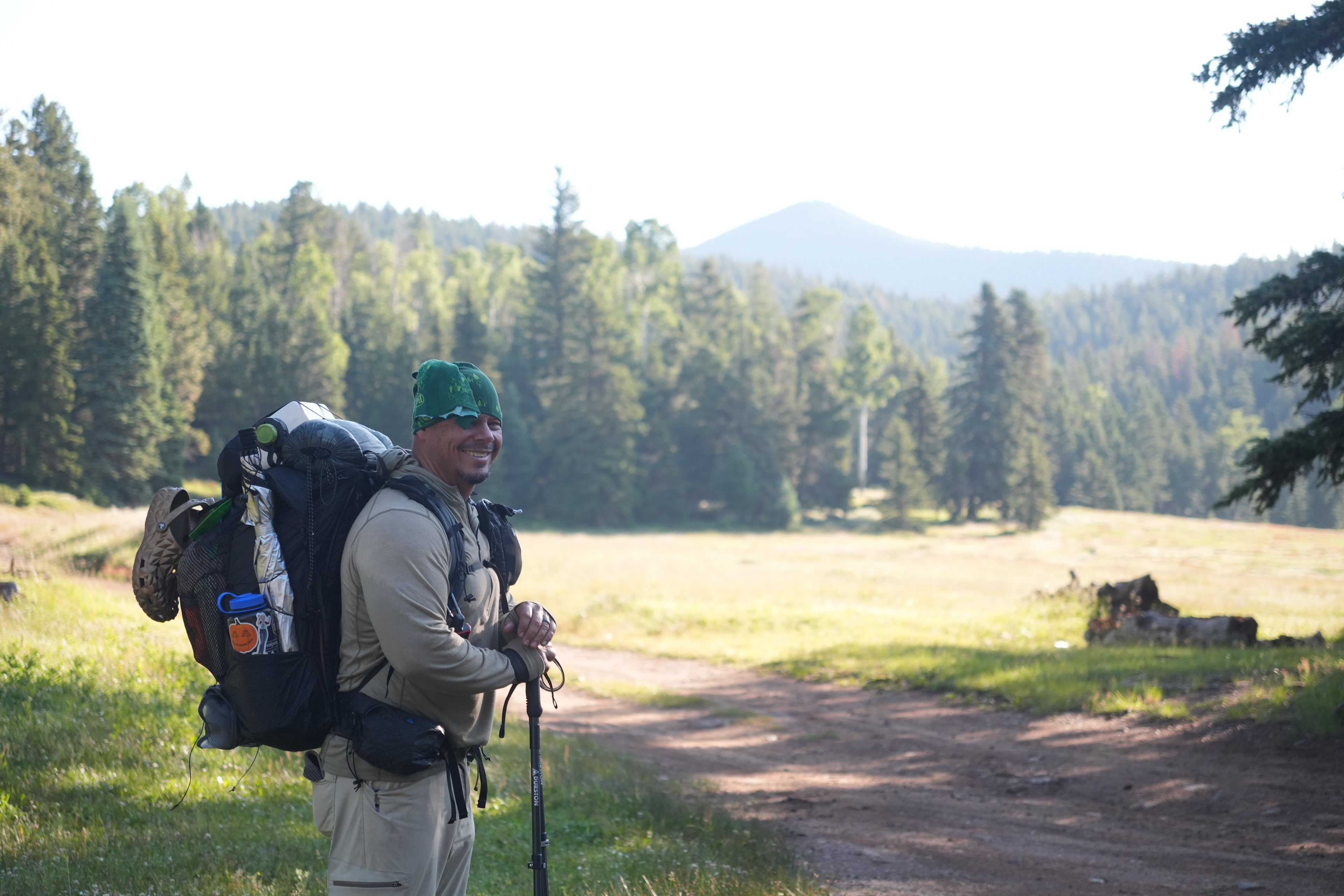
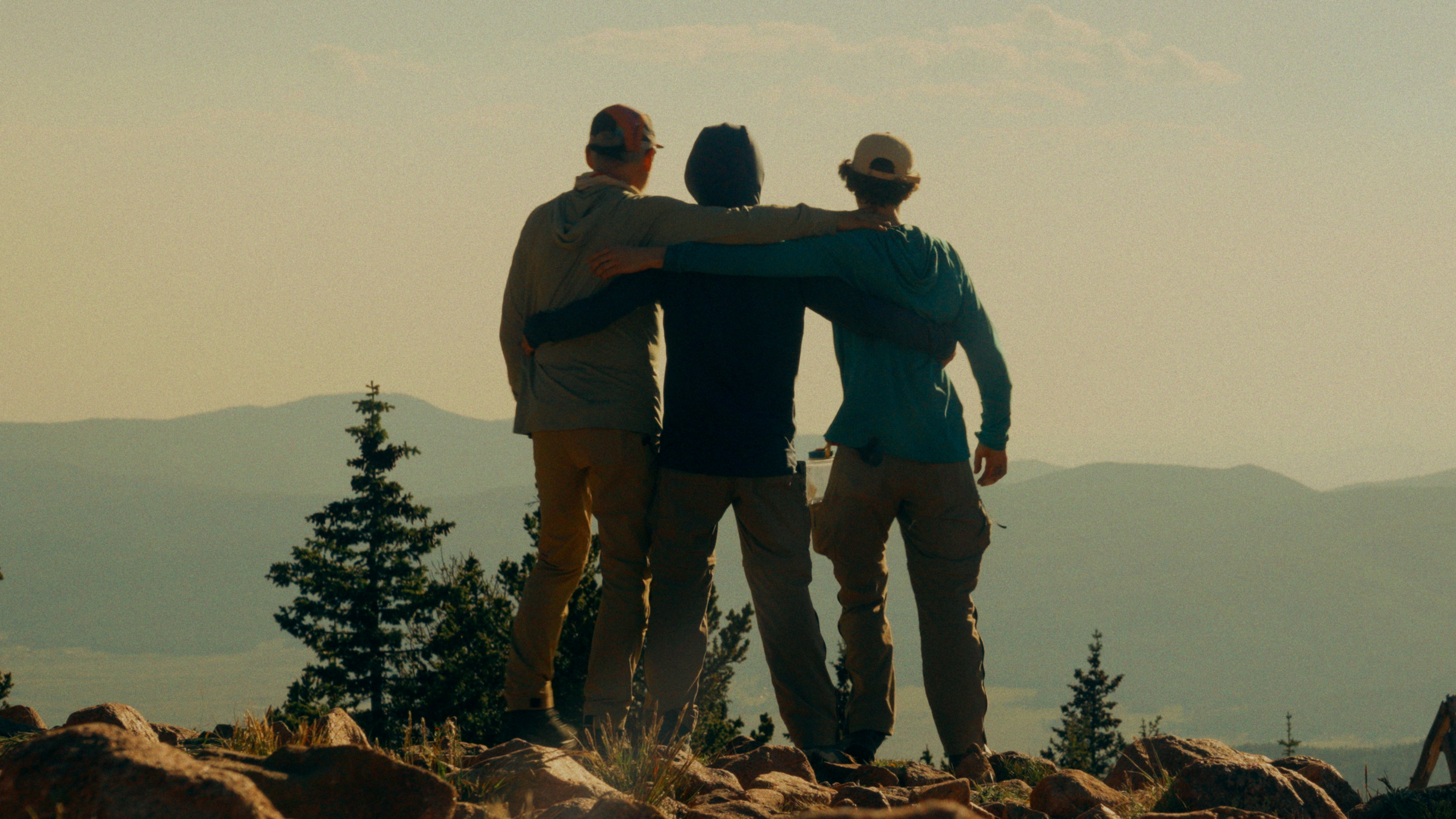
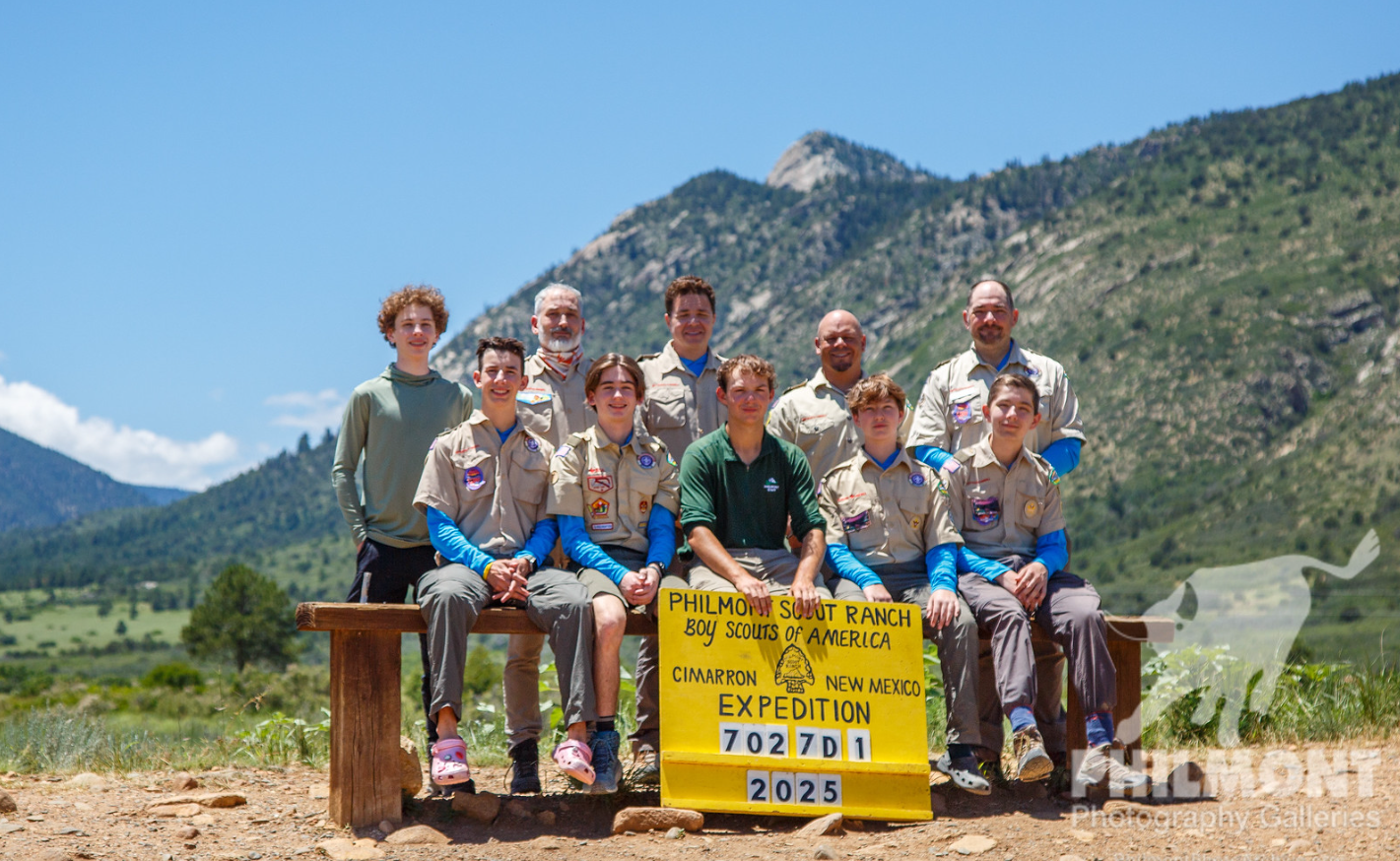
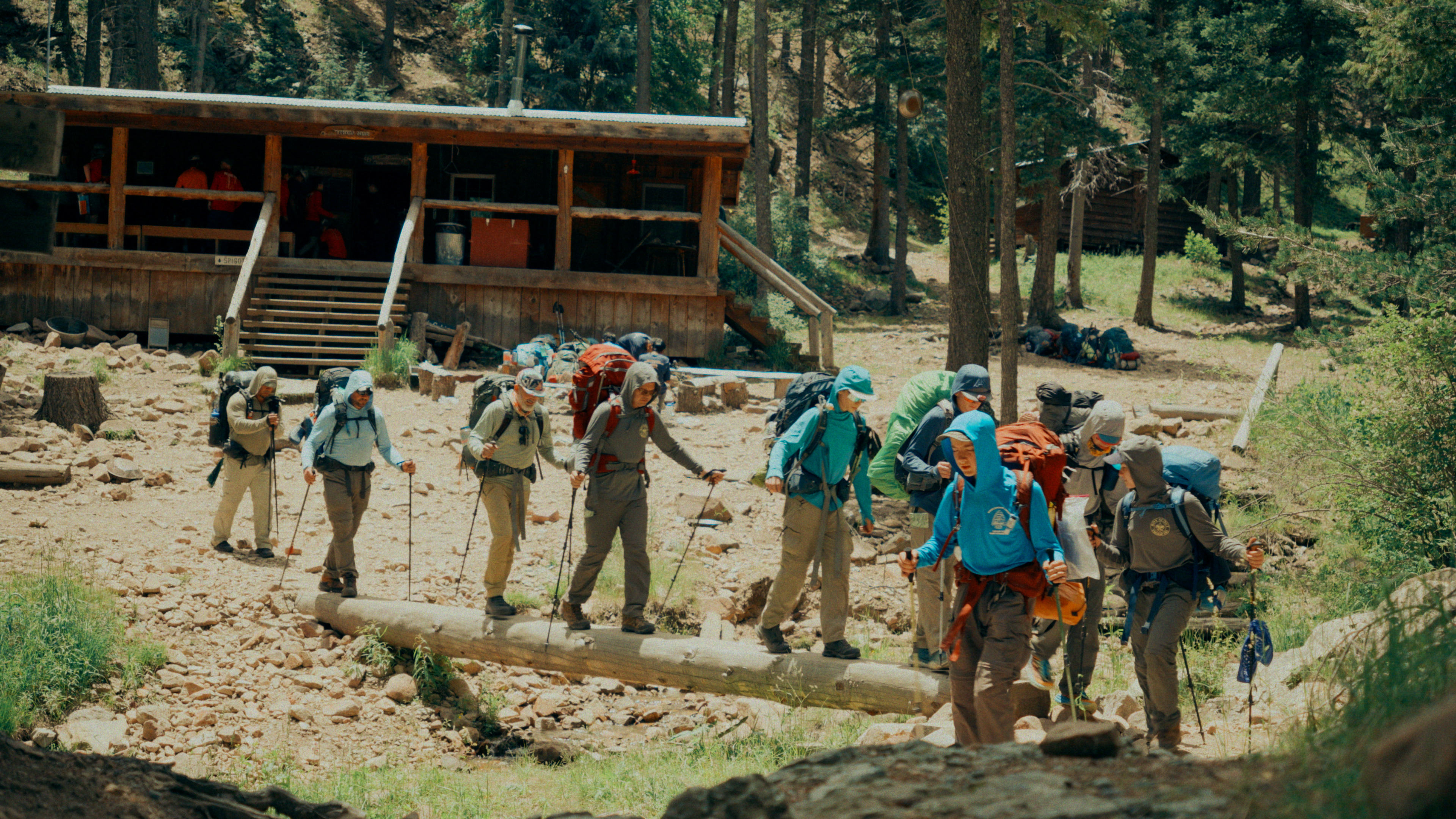
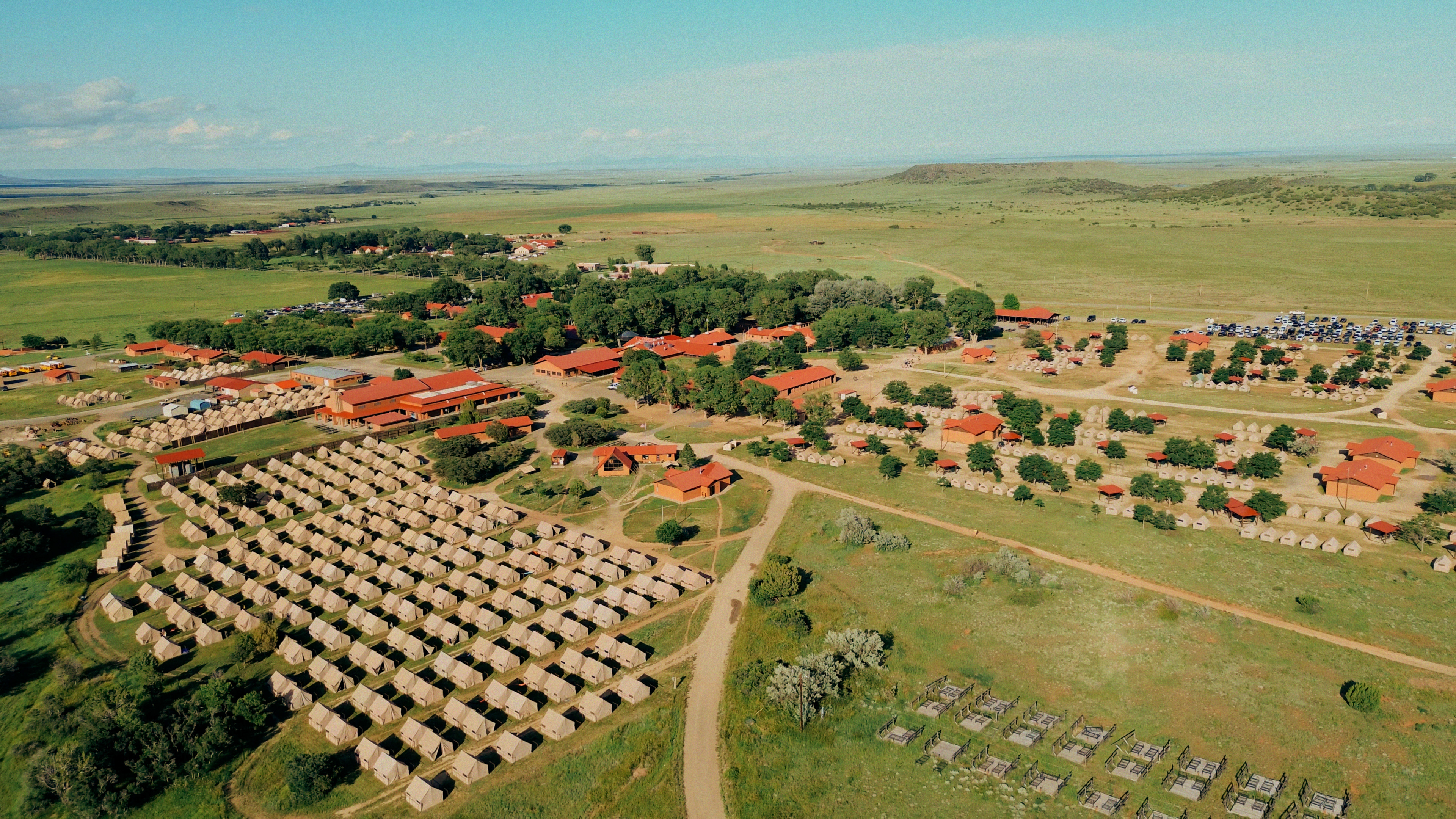
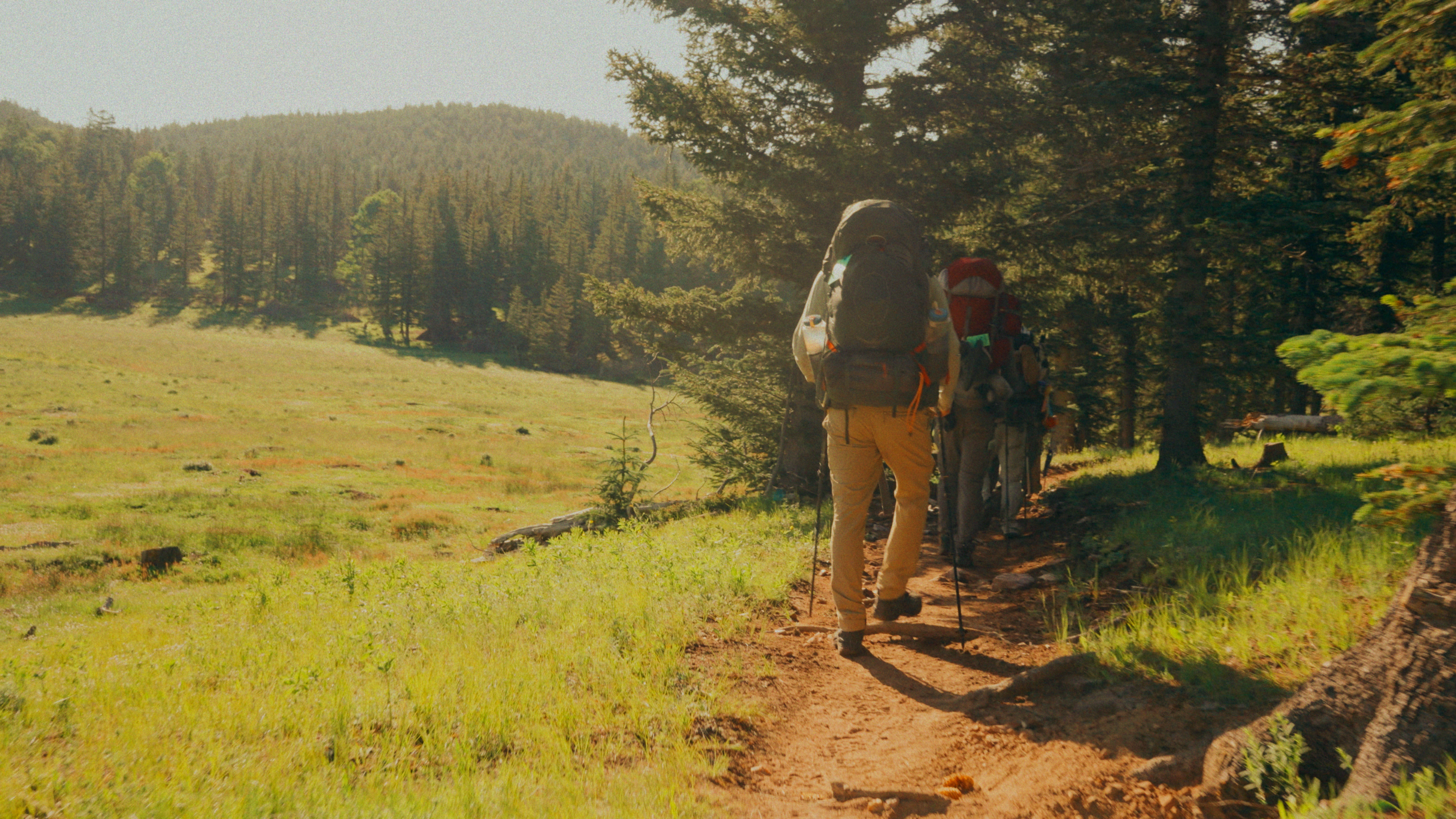
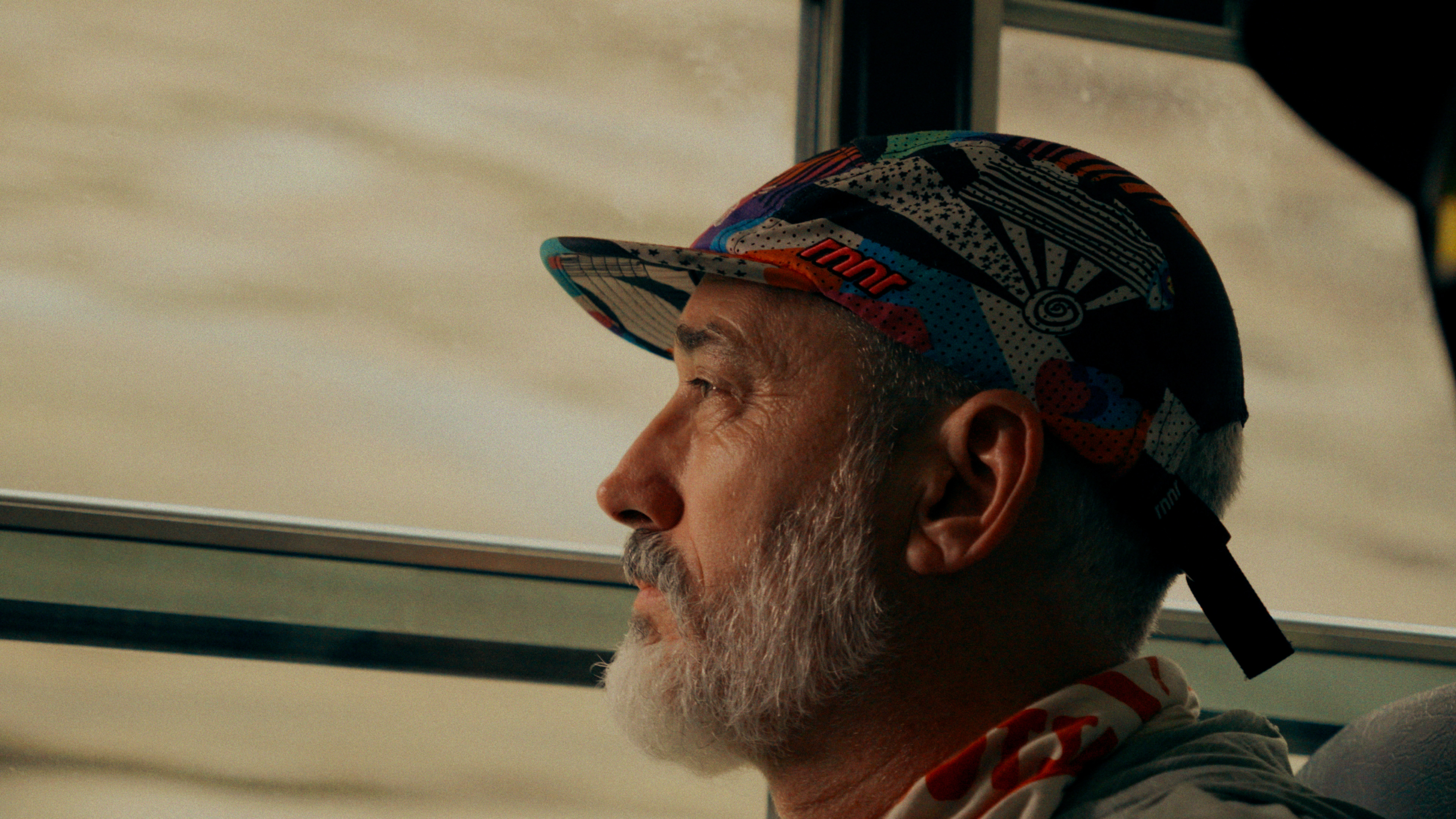
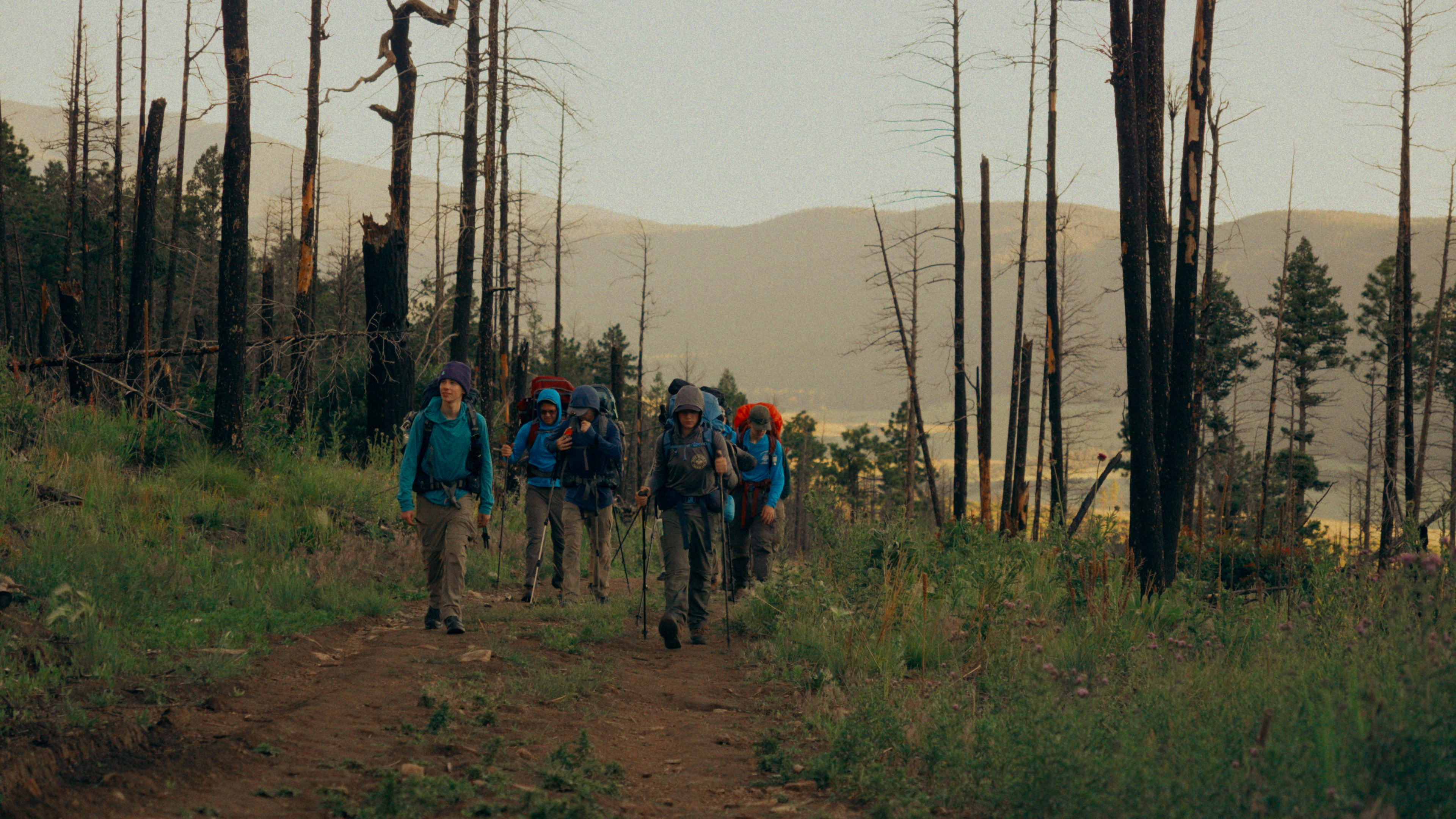
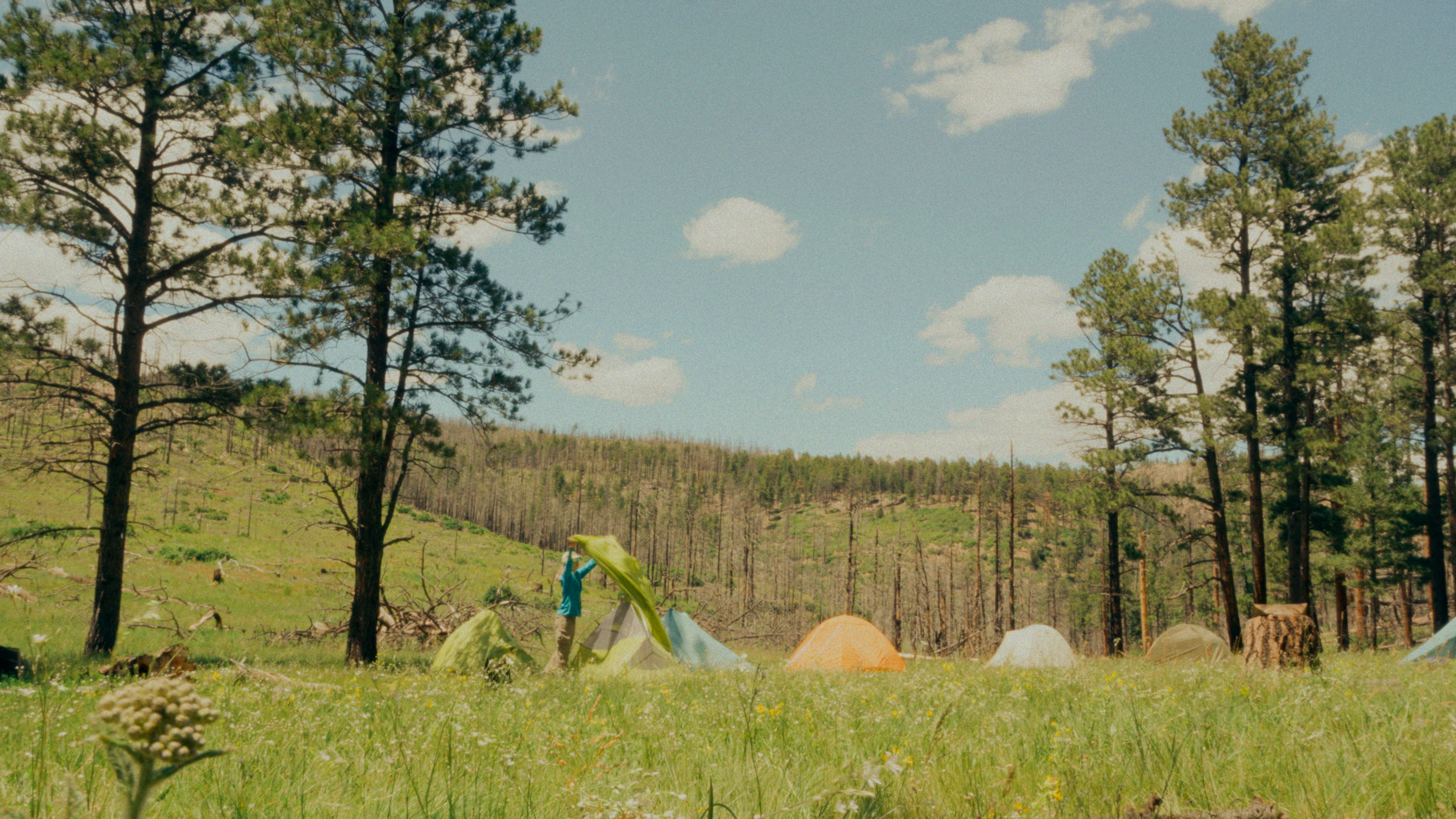
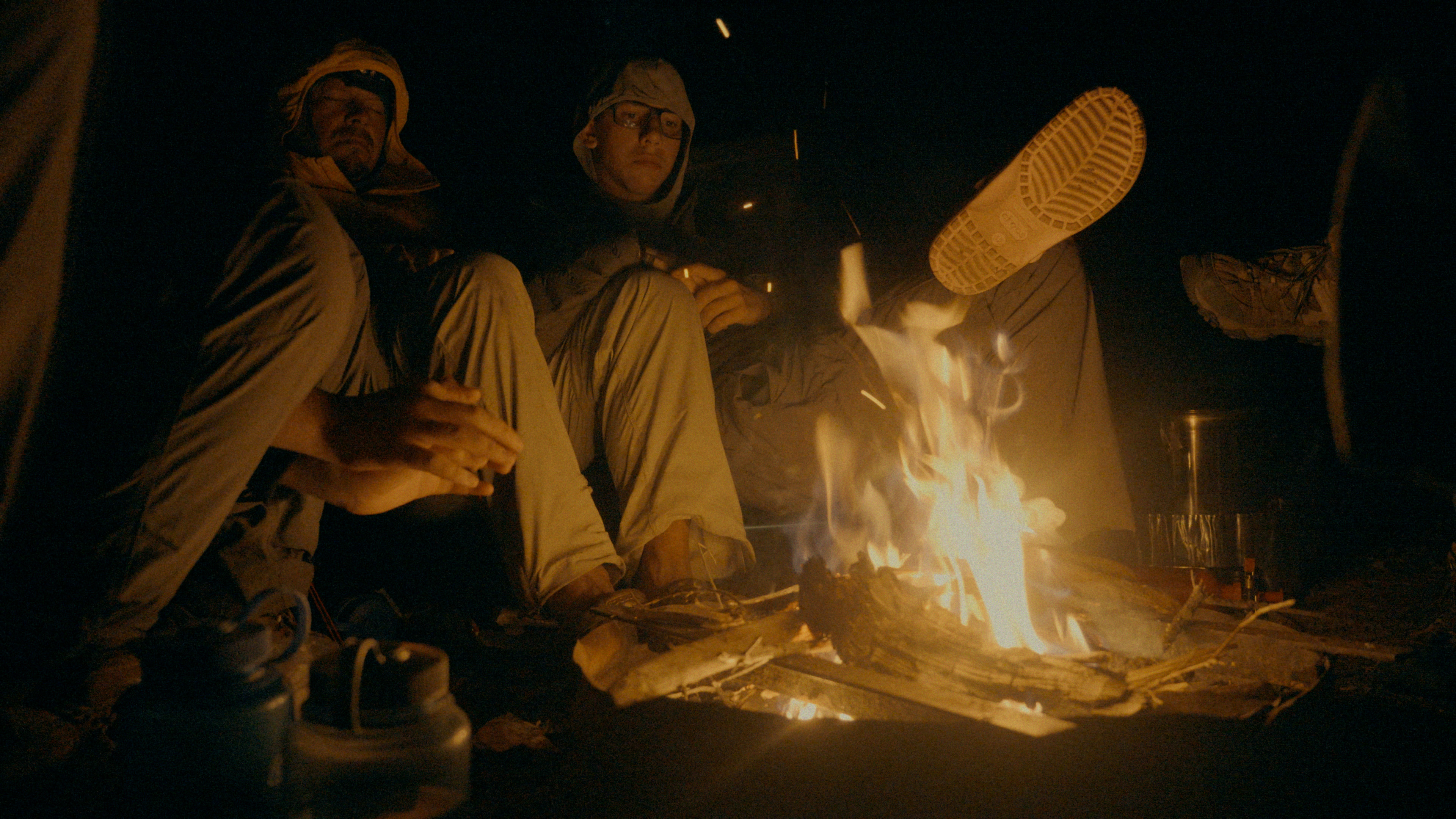
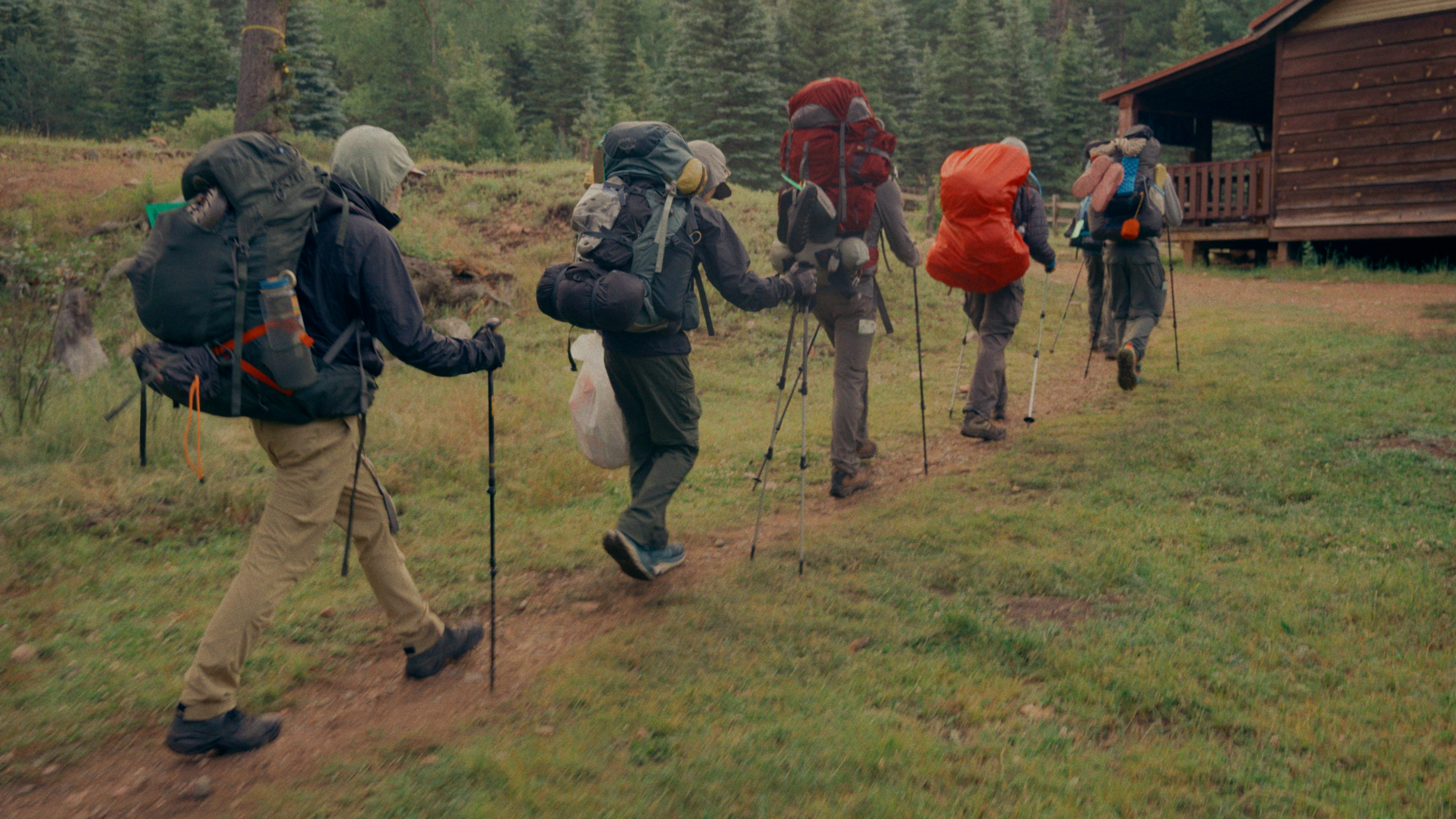
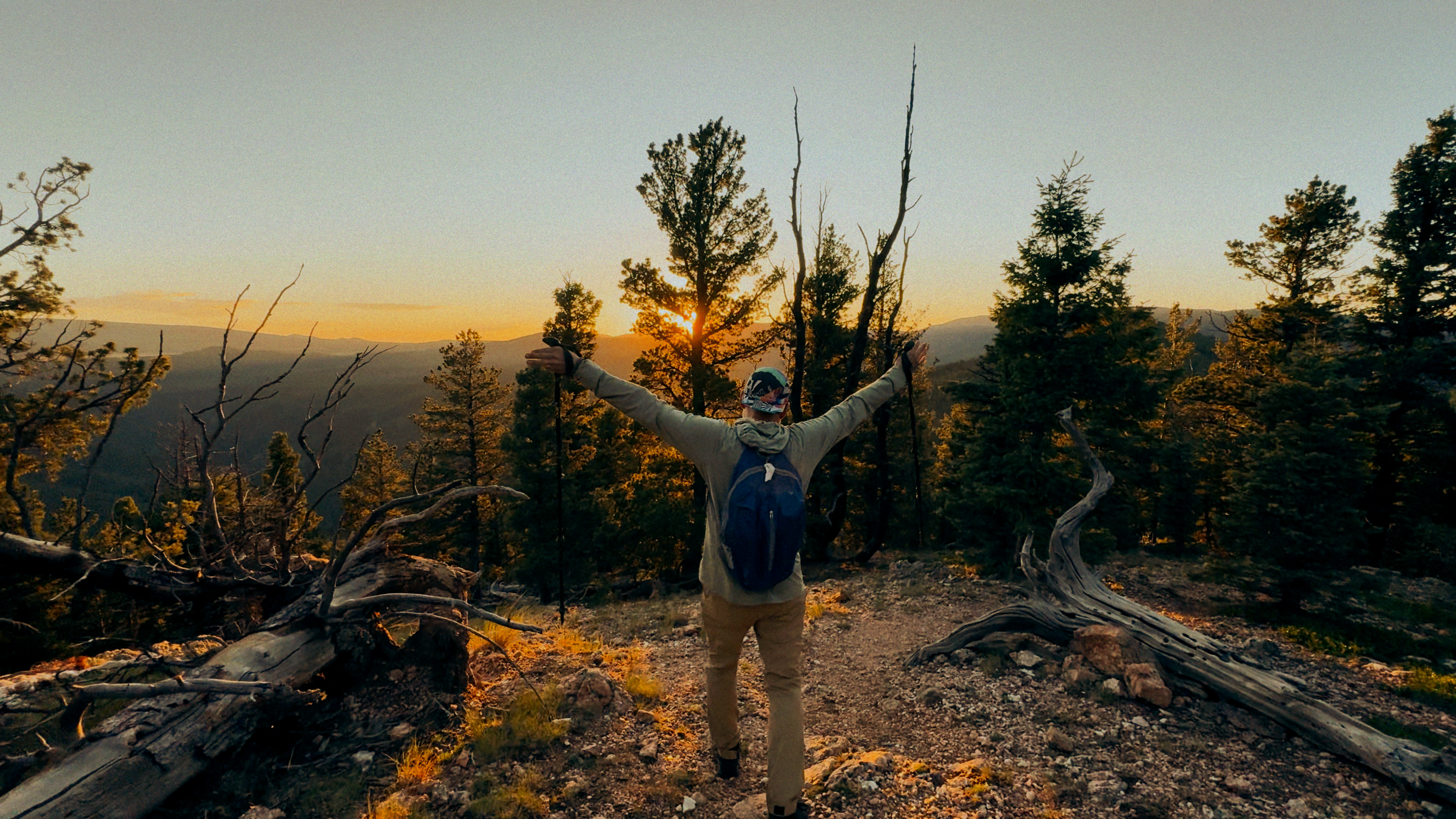
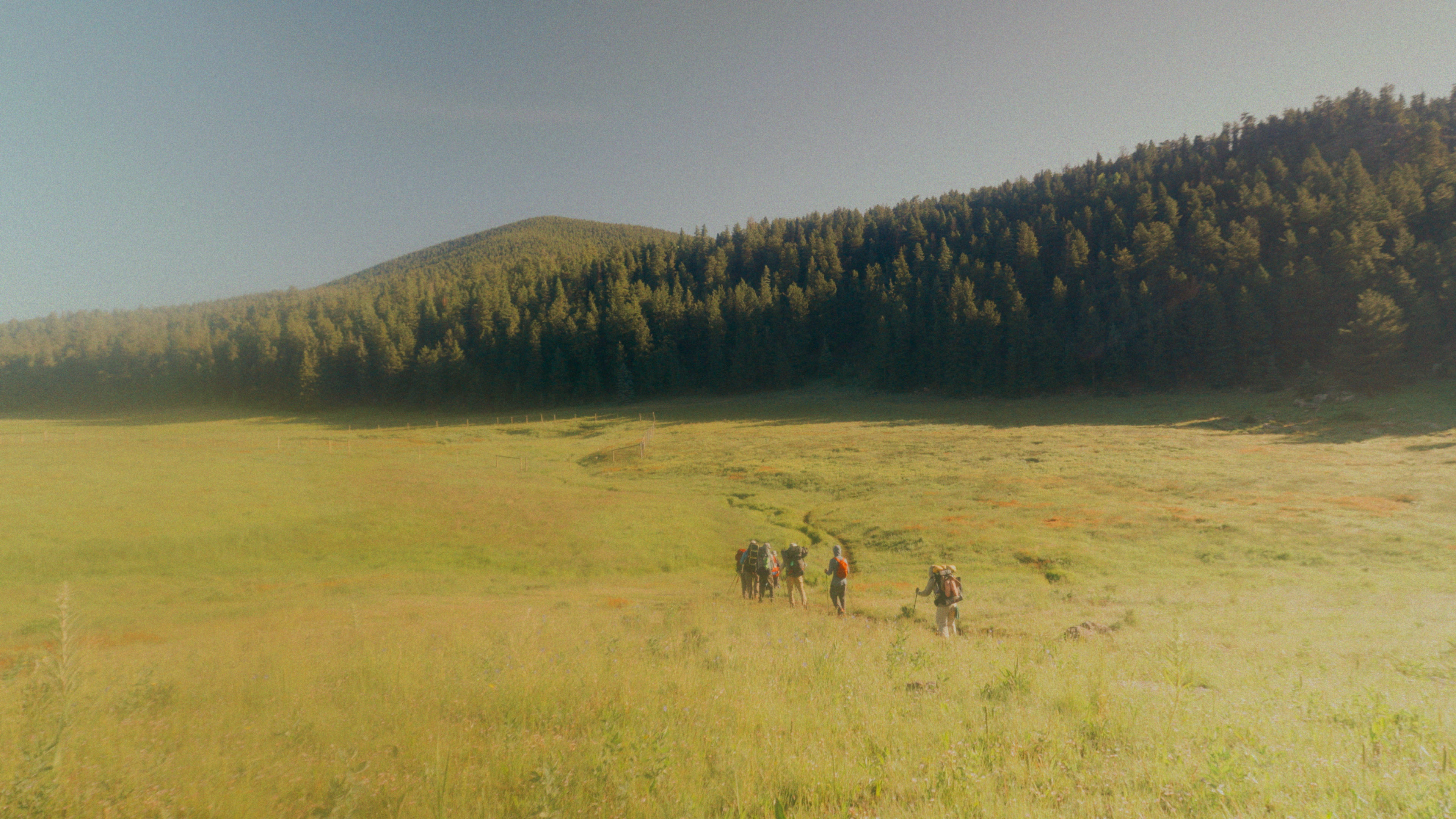
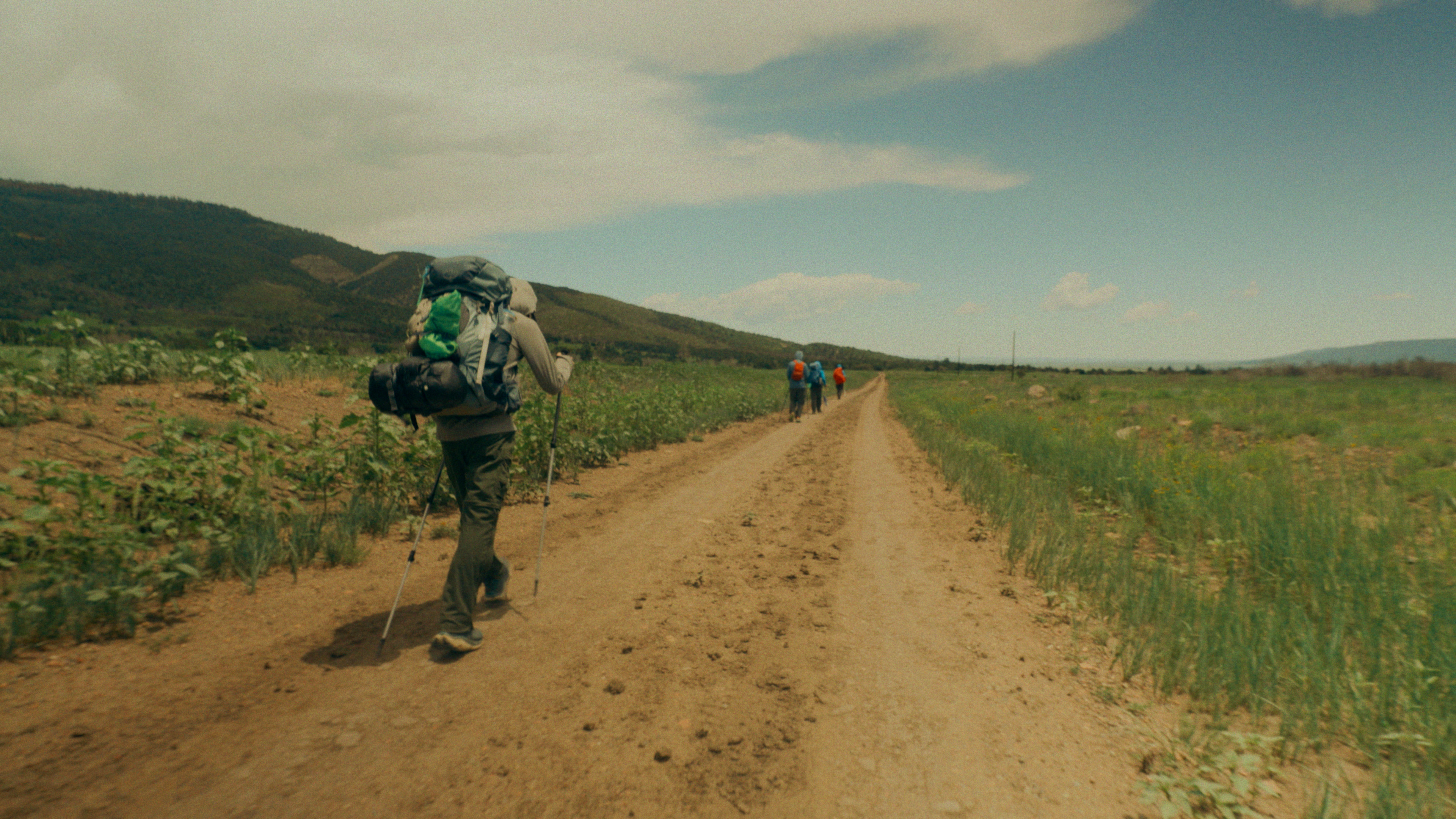
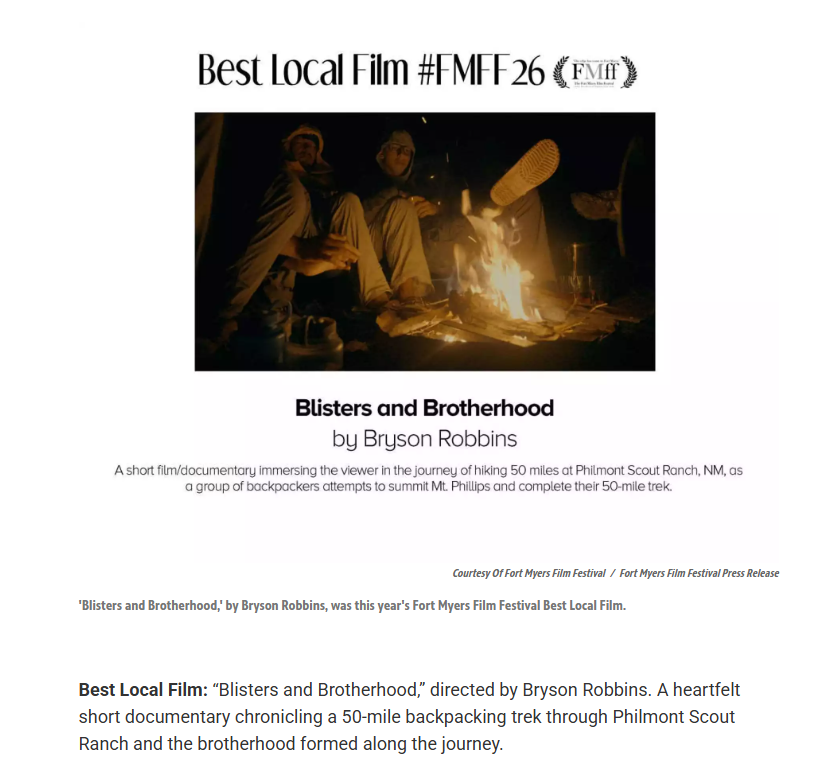
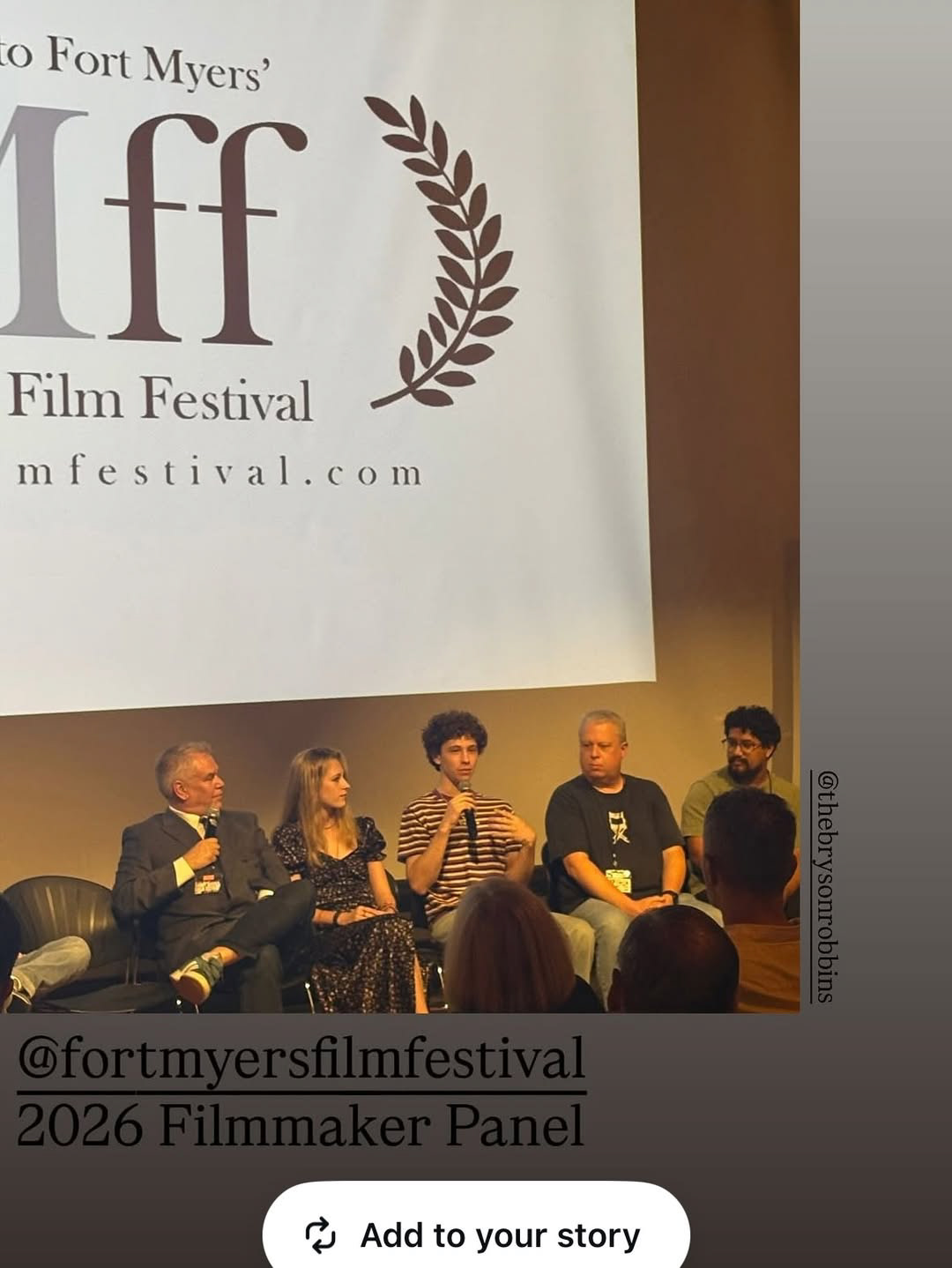
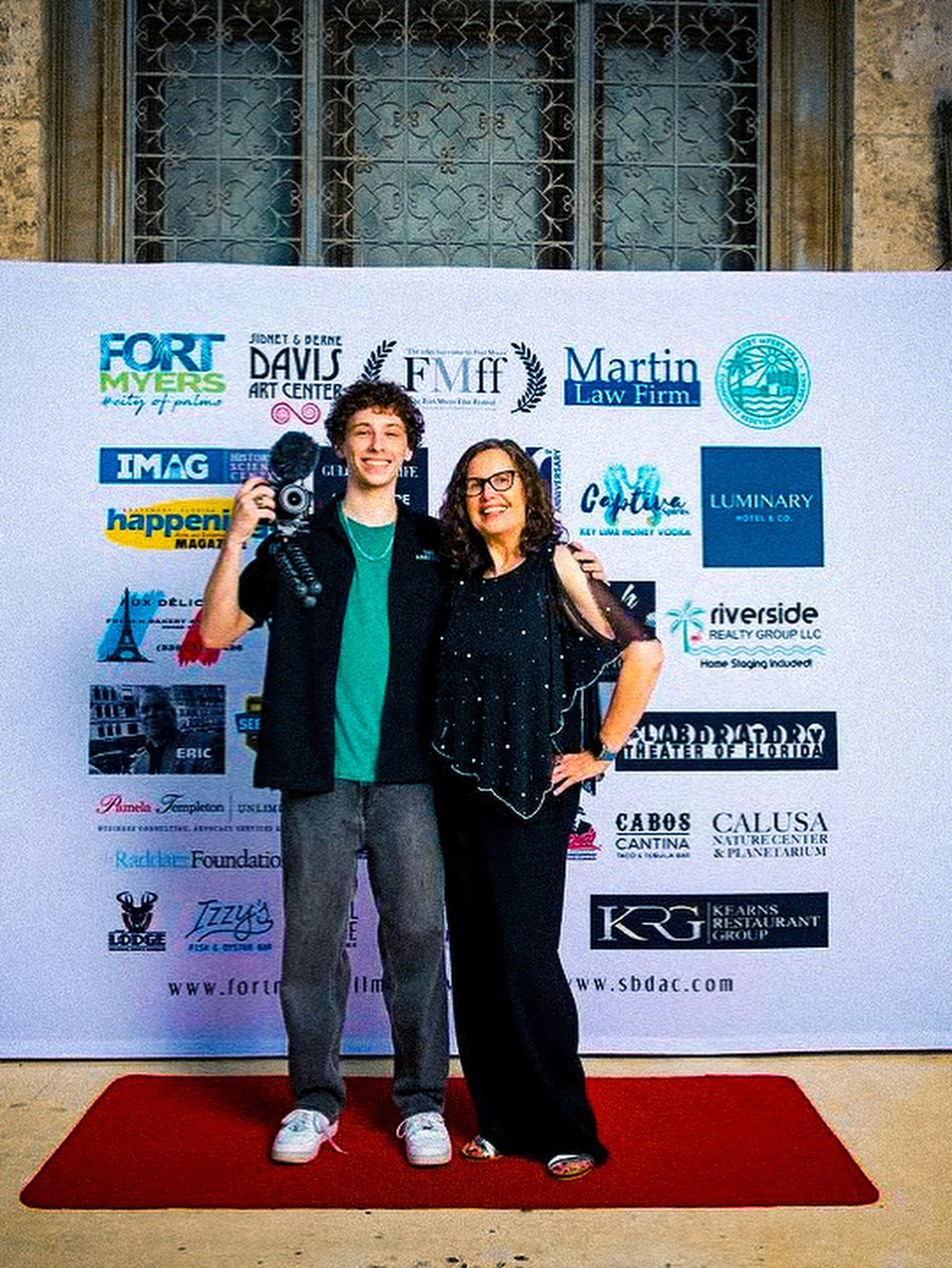
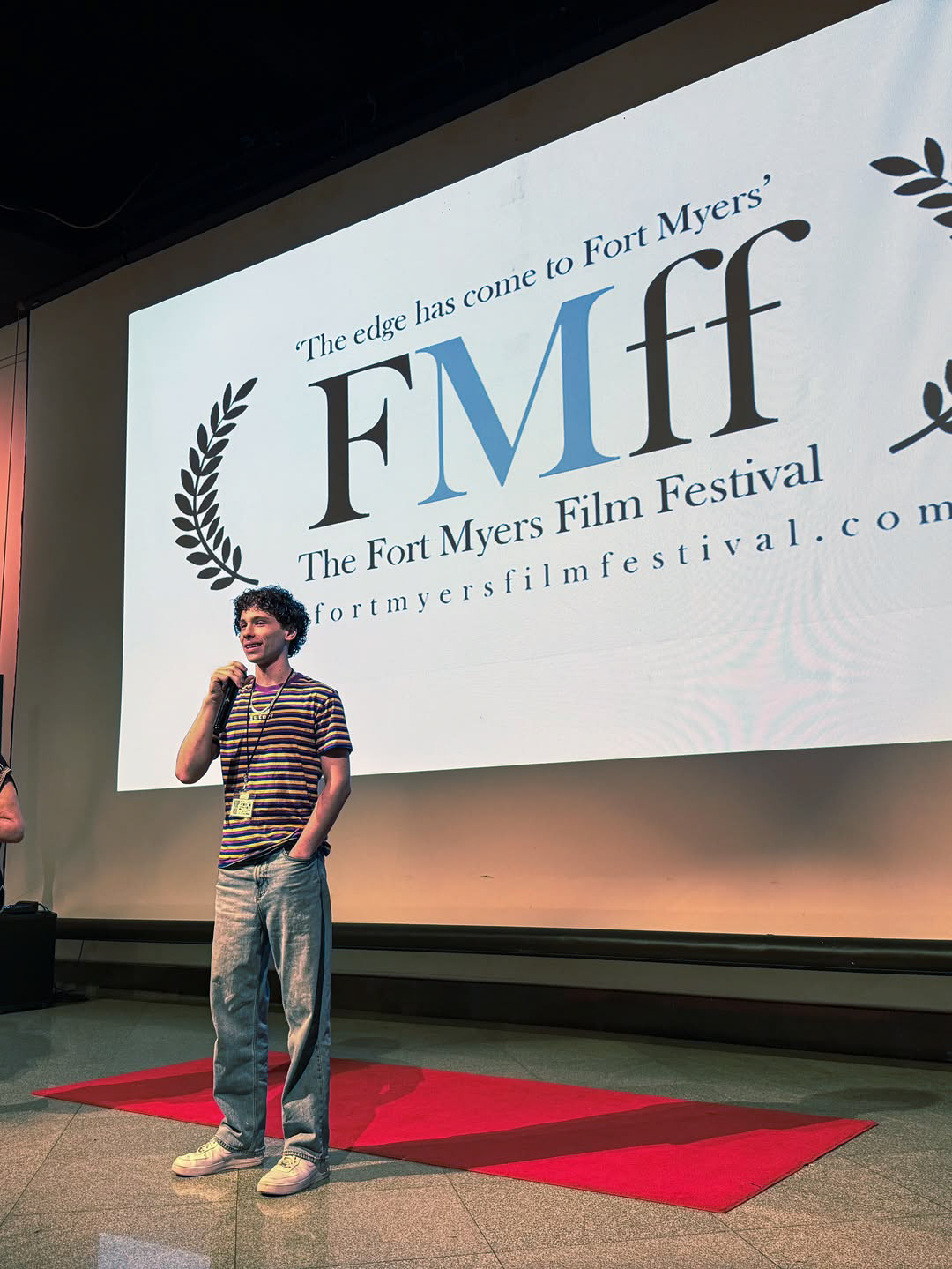
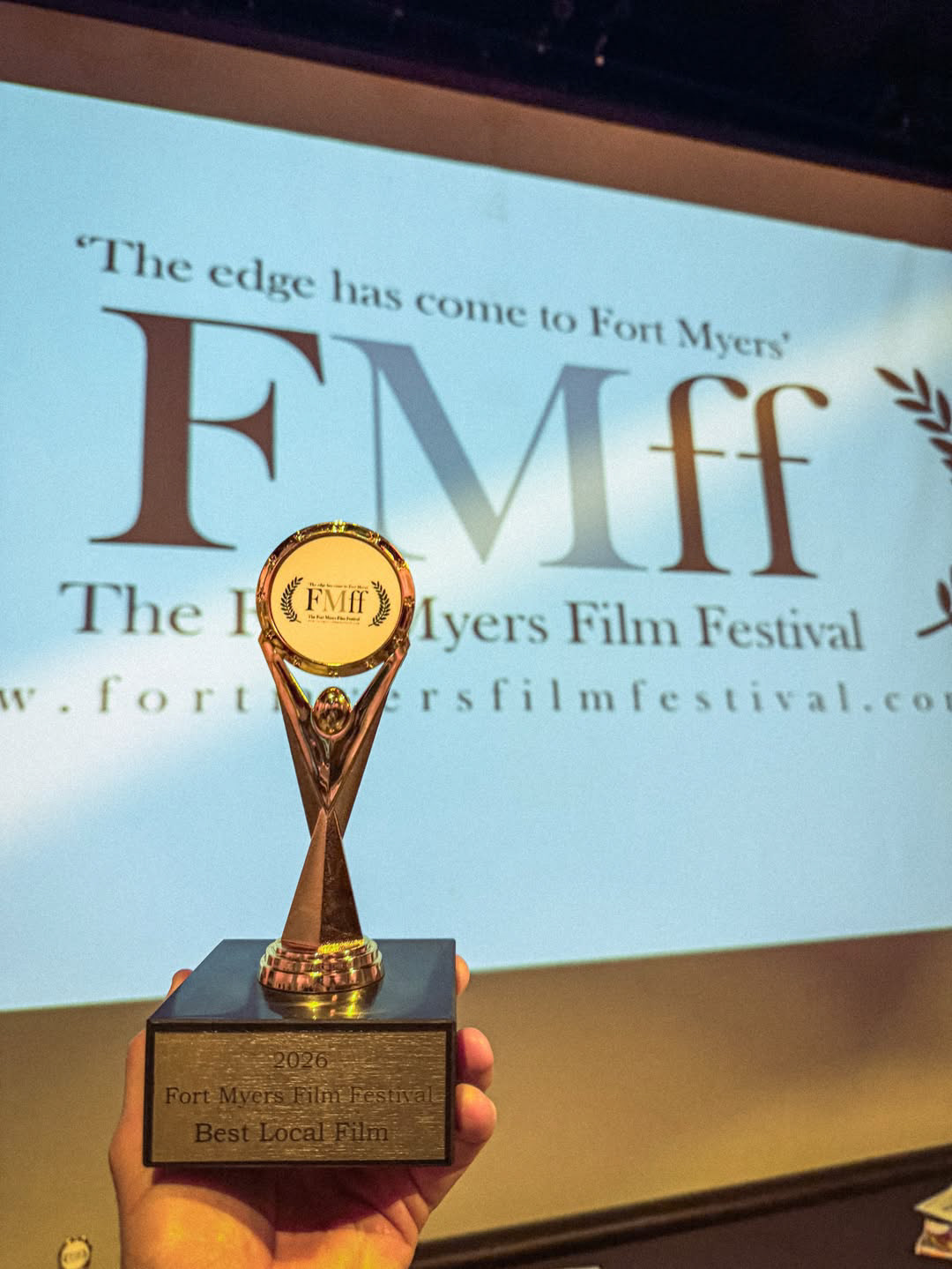
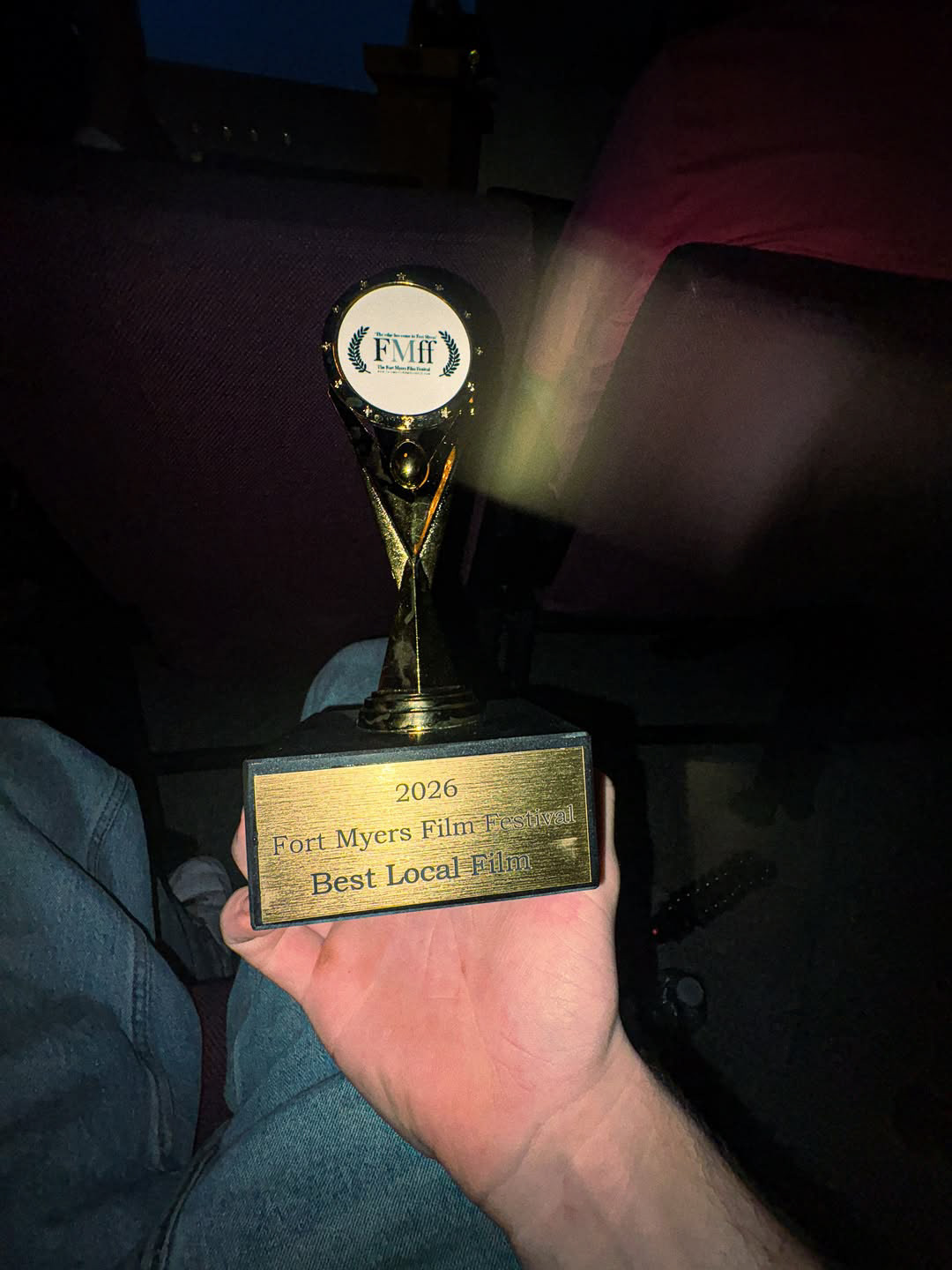
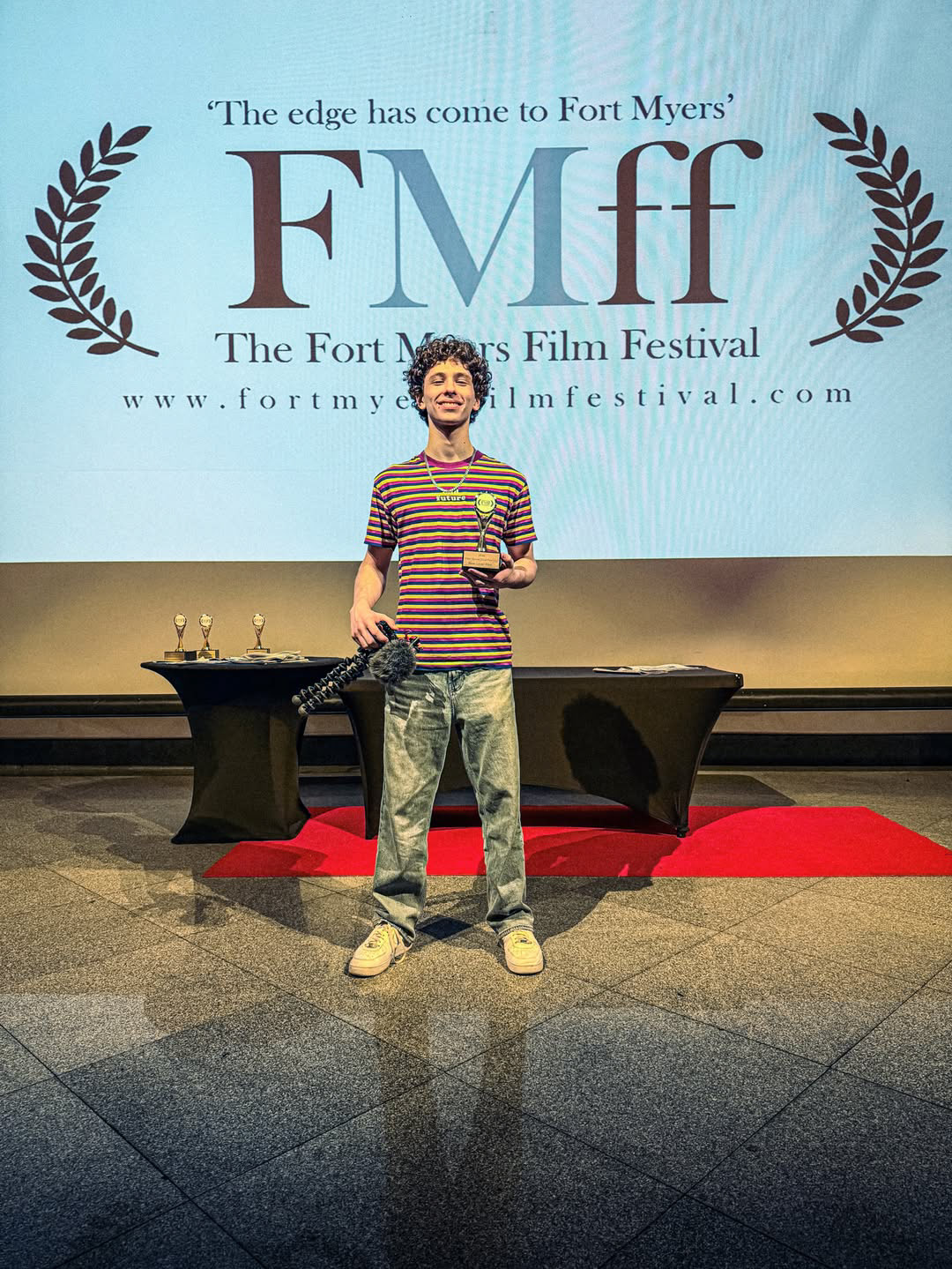
Award-winning short film/documentary immersing the viewer in the journey of hiking 50 miles at Philmont Scout Ranch, NM, as a group of backpackers attempts to summit Mt. Phillips and complete their 50-mile trek. Featured as Best Local Film at the FMFF awards 26'






Awards/Press


A look into the filming
How Blisters and Brotherhood Was Filmed
Filming Blisters and Brotherhood meant balancing cinematic storytelling with the realities of carrying camera gear across 50 miles of rugged New Mexico wilderness at Philmont Scout Ranch.
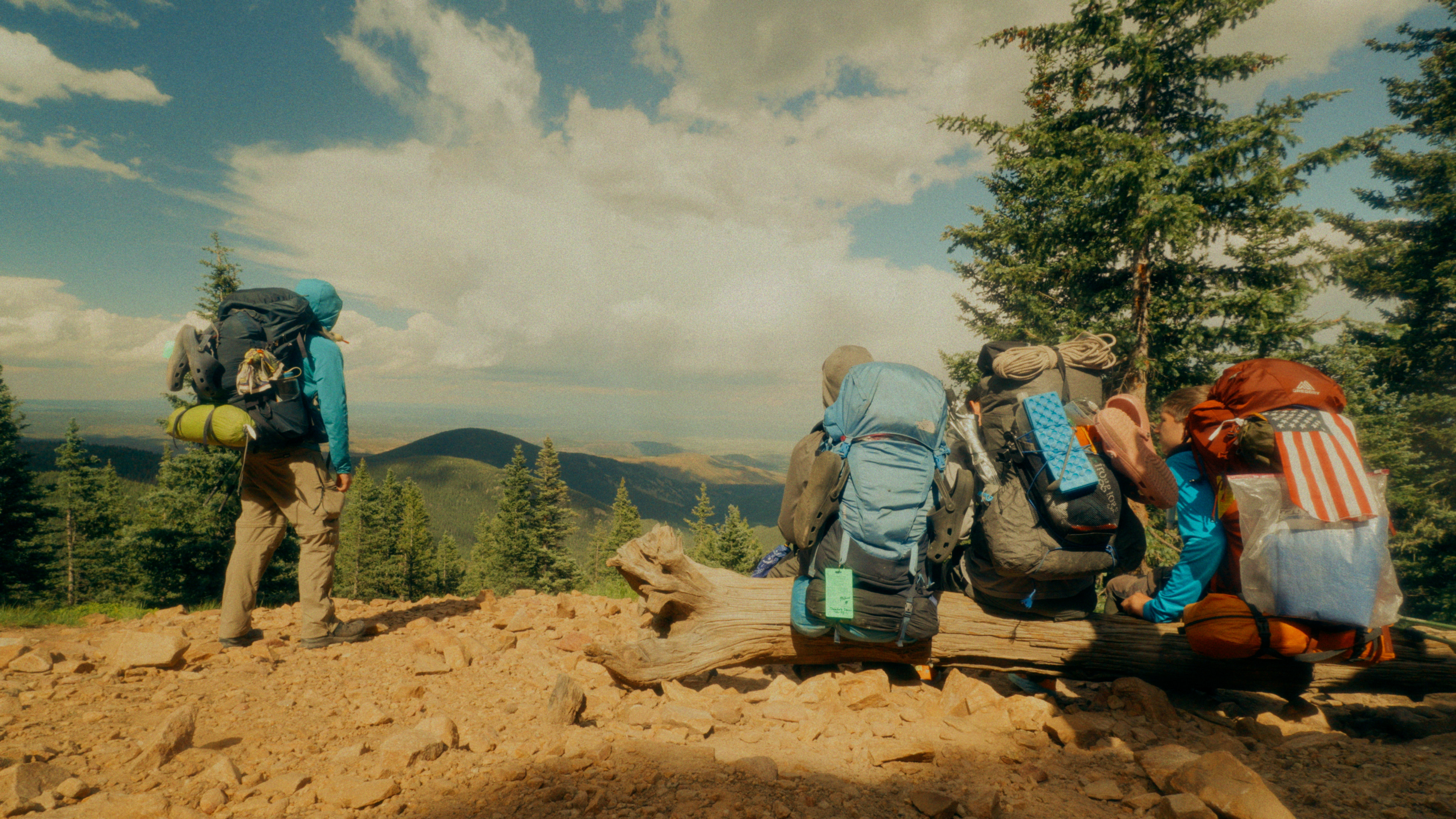
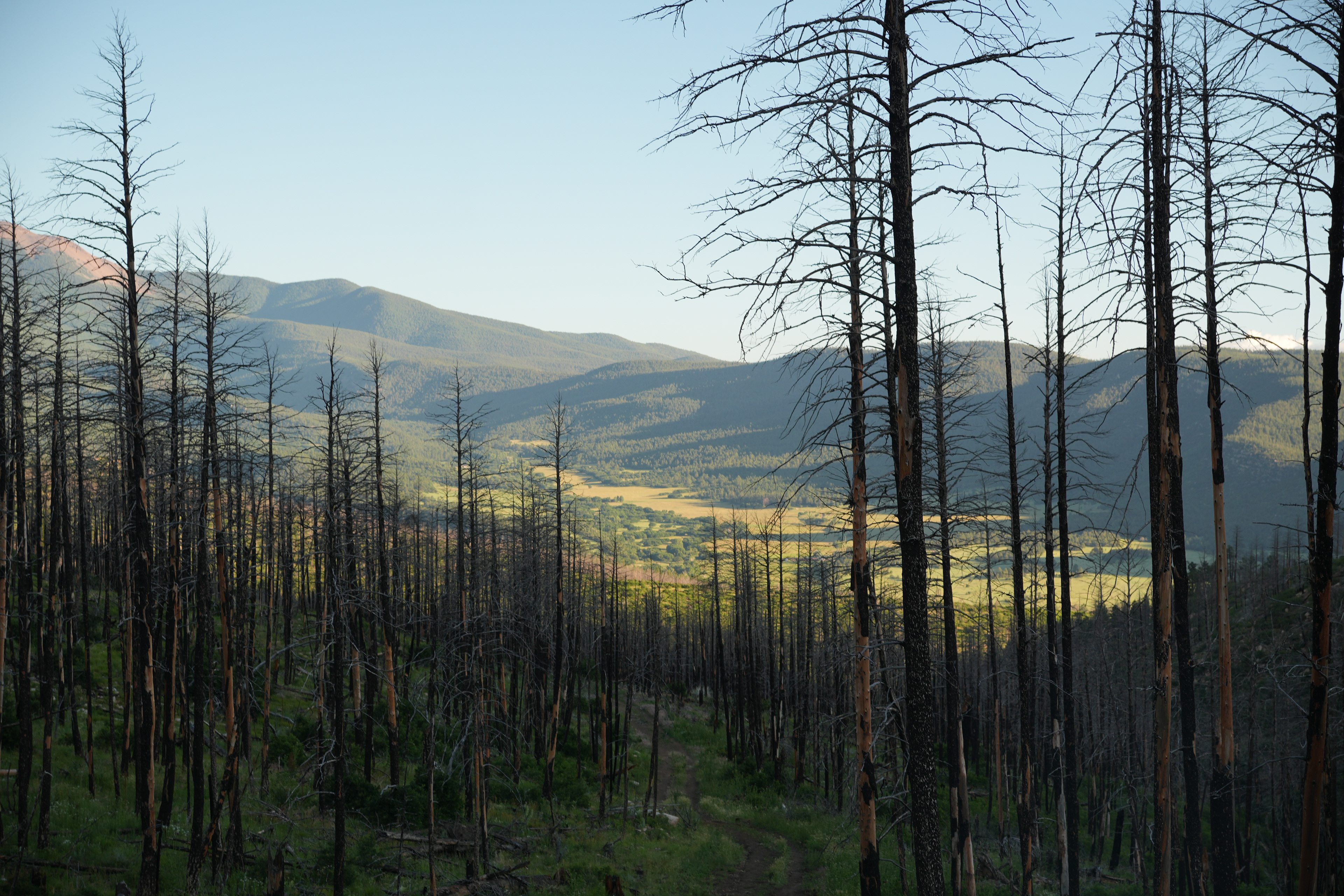
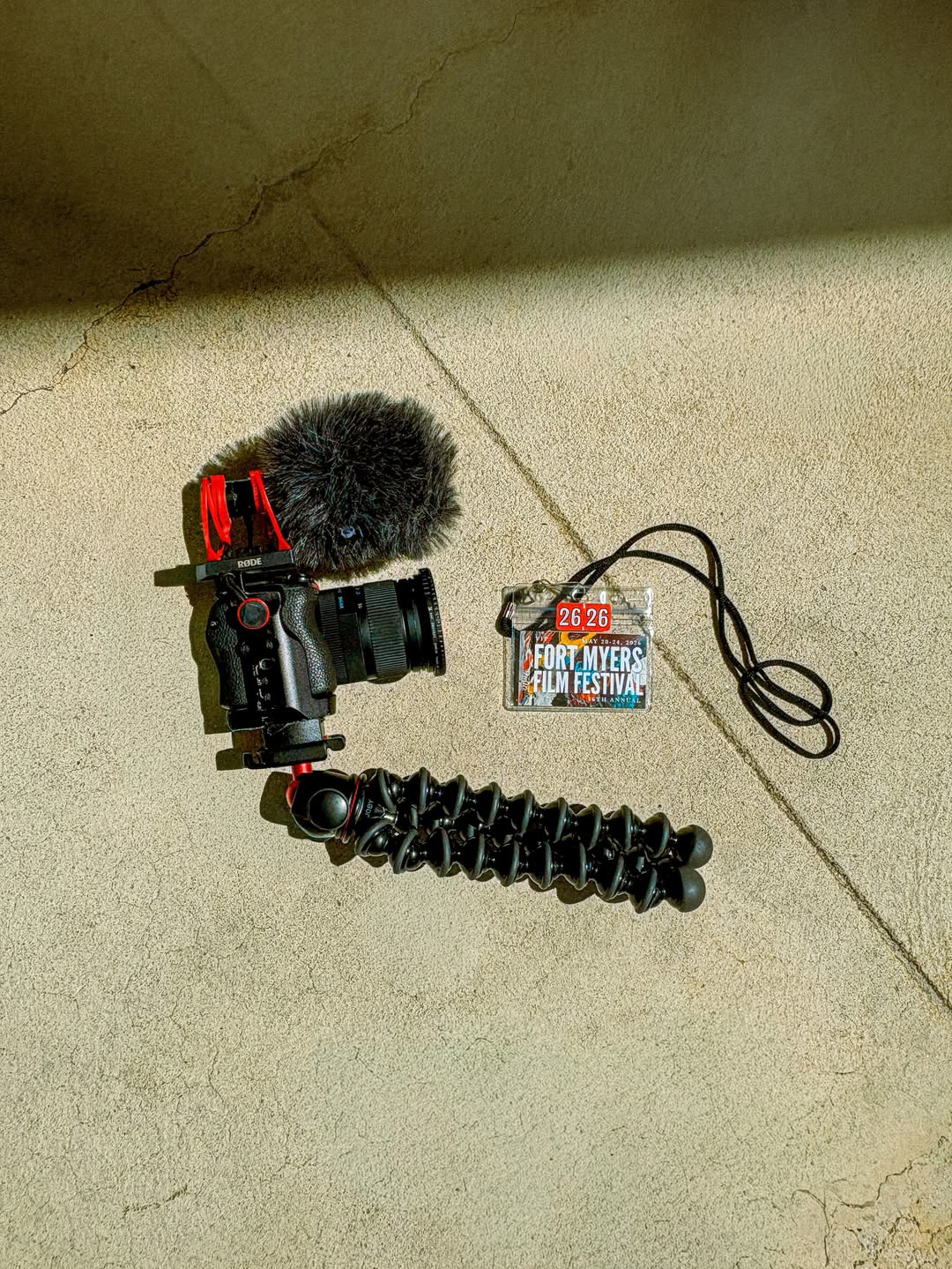
My primary lens setup consisted of an 18–50mm lens for most shots and an 11mm wide-angle lens for landscapes and environmental scenes. The wide lens was especially useful for capturing the scale of the mountains, campsites, and the overall experience of being immersed in the backcountry.
Power management was one of the biggest challenges. I carried six camera batteries, each with compact USB-C chargers, along with two 20,000mAh 65W power banks. This setup provided enough power to film throughout the entire trek. To maximize battery life, I kept the camera in airplane mode and reduced screen brightness whenever possible. Small adjustments like these made a significant difference over the course of the week.
For stabilization, I relied on a GorillaPod tripod. Its flexible legs allowed me to attach it to trees, trail signs, and other objects for shots that would have been impossible with a traditional tripod. I also used a Peak Design Capture Clip mounted to my backpack, allowing quick access to the camera while hiking without needing to stop and unpack gear.
When it came to image quality, I prioritized storytelling over resolution. While the camera was capable of shooting in 6K, much of the footage was captured in HD or 4K. For documentary filmmaking, strong composition, meaningful moments, and authentic storytelling matter far more than sheer pixel count—especially when the final film is viewed online.
Storage was equally important. I carried approximately 600GB of SD card capacity and recommend planning for at least ten hours of recording time when documenting a long expedition.
Audio was intentionally kept simple. Rather than using a complicated recording setup, I used a shotgun microphone mounted directly to the camera. Simplicity reduced potential failure points and allowed me to focus on capturing the story as it unfolded.
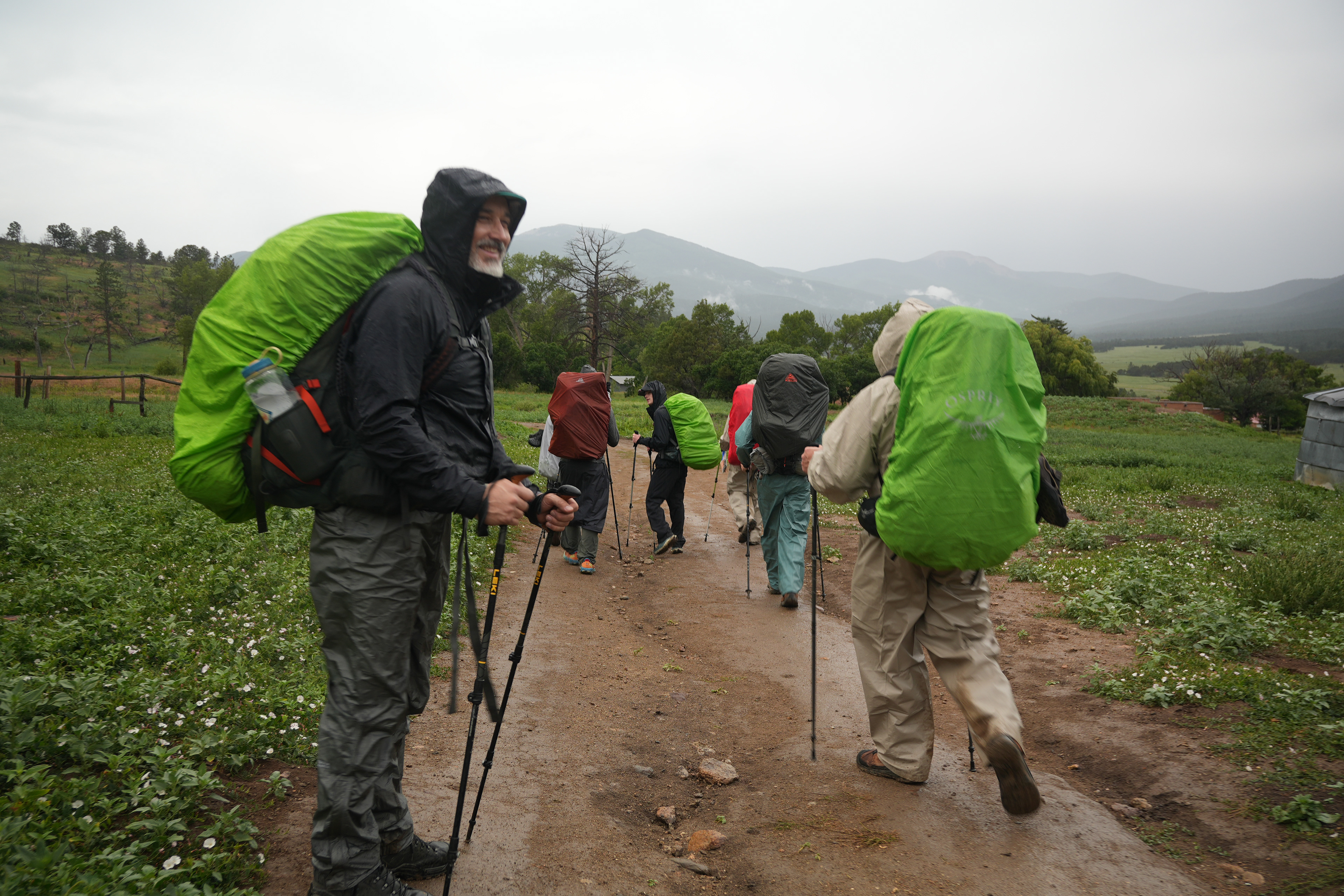
One lesson I learned quickly: always prepare for water. Rain is inevitable in the backcountry. I stored batteries, memory cards, and other critical equipment inside waterproof bags. At one point, I slipped into a stream, and without that protection, important gear could have been damaged or lost.
Ultimately, the goal was never to carry the most equipment—it was to carry the right equipment. Every piece of gear had to justify its weight on the trail. The result was a lightweight, reliable filmmaking setup that allowed me to focus on documenting the challenge, friendships, and unforgettable moments that became Blisters and Brotherhood.